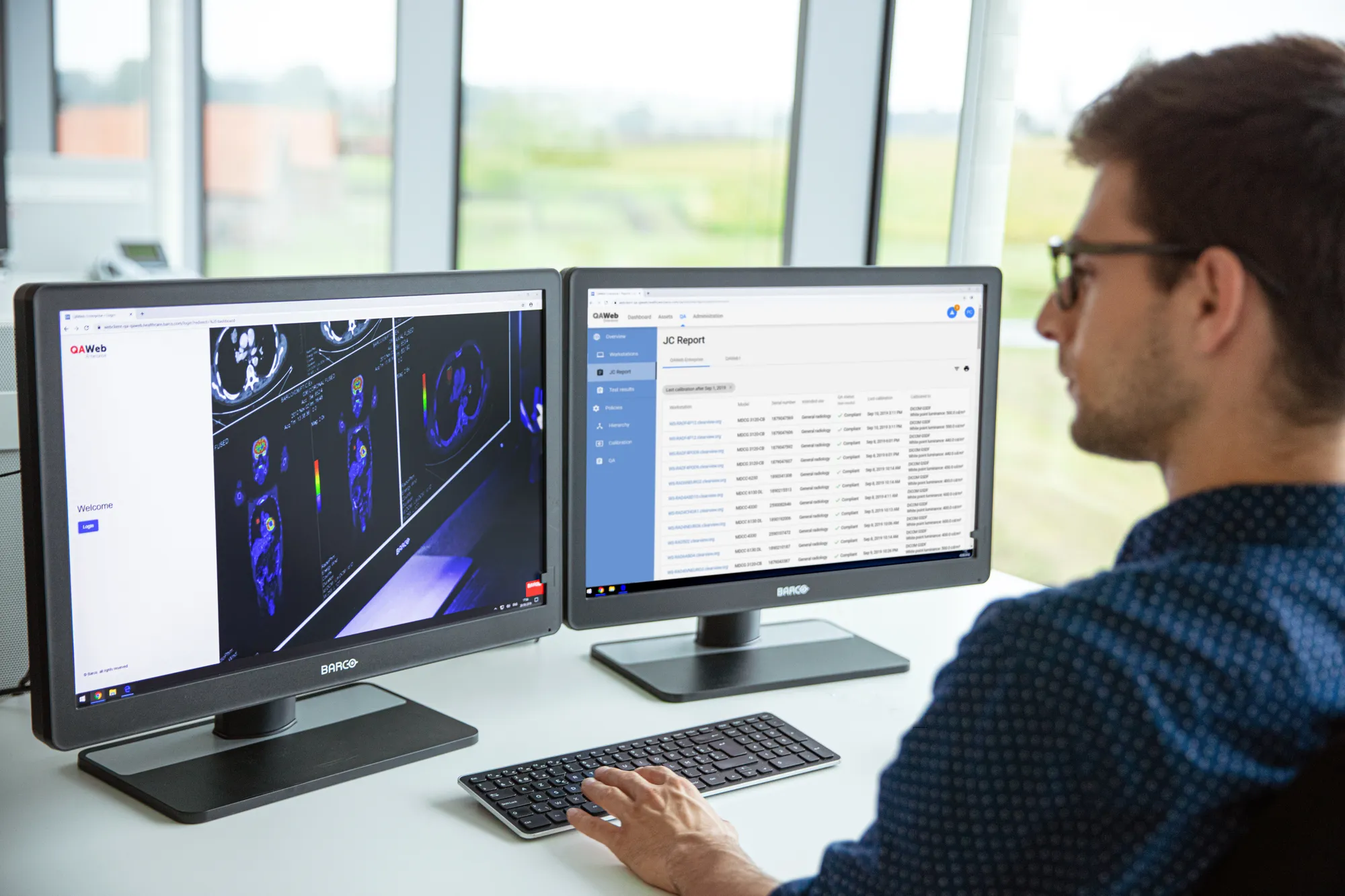
Preventive and corrective maintenance services designed to support equipment reliability, performance, safety, and operational continuity throughout the equipment lifecycle.
-
Preventive Maintenance – Scheduled inspection and servicing to identify potential issues before they result in equipment failure or clinical downtime.
-
Corrective Maintenance – Diagnosis and repair of equipment faults, system errors, component failures, and performance-related problems to restore normal operation.
-
Routine System Inspection – Evaluation of mechanical, electrical, electronic, software, cooling, communication, and safety-related components according to equipment requirements.
-
Performance Verification – Checking key operational parameters to confirm that the equipment continues to perform within the required technical and clinical specifications.
-
Calibration Support – Assistance with calibration, adjustment, baseline verification, and coordination of specialized calibration procedures where applicable.
-
Troubleshooting & Fault Diagnosis – Systematic investigation of hardware, software, communication, power, network, and accessory-related problems using appropriate diagnostic tools and service procedures.
-
Parts Replacement & Component Support – Replacement of worn, damaged, or defective components using appropriate spare parts, followed by functional testing after repair.
-
Software & System Checks – Review of software functionality, configuration, communication interfaces, error logs, and system settings to help maintain stable operation.
-
Safety Checks – Verification of relevant electrical, mechanical, radiation, interlock, emergency-stop, environmental, and operational safety functions.
-
Quality Control Support – Assistance with routine QC activities and performance checks in coordination with users, engineers, medical physicists, or other responsible personnel.
-
Emergency Technical Support – Responsive technical assistance for unexpected equipment failures or operational problems that may interrupt clinical services.
-
Remote Technical Assistance – Remote troubleshooting, system review, and technical guidance where supported by the equipment and manufacturer.
-
Service Documentation – Maintenance records, inspection reports, fault findings, corrective actions, replaced parts, and recommendations documented for service history and future follow-up.
-
Maintenance Planning – Development of preventive maintenance schedules based on manufacturer recommendations, equipment utilization, operating environment, and clinical workload.
-
Equipment Lifecycle Support – Ongoing technical assistance covering maintenance, performance review, spare-parts planning, upgrades, and service recommendations throughout the useful life of the equipment.
-
Downtime Reduction – Maintenance strategies focused on early fault identification, timely repair, and operational continuity to minimize disruption to clinical services.